24/7 Emergency HVAC in Northern Virginia
No heat, no cooling, water on the floor, or a safety concern at two in the morning. Licensed technicians dispatched around the clock across Fairfax, Arlington, Loudoun, and Prince William.
Quick Answer
Fairfax Mechanical provides 24/7 emergency HVAC service across Northern Virginia. Emergency calls include no-heat and no-cooling failures, water leaking from HVAC equipment, and any gas or carbon monoxide concern. Dispatch runs around the clock, and the response window is confirmed when you call so you know when a technician will arrive. Gas odors and CO alarms should be reported to 911 or your utility first.
What counts as an HVAC emergency
Not every broken system requires a middle-of-the-night visit, and treating everything as an emergency is how homeowners end up paying after-hours rates for a problem that could have waited until morning. The line we use is risk: risk to health, risk to the building, and risk to the equipment.
A house with no heat on a night below freezing is an emergency because pipes are at risk. A house with no cooling during a heat advisory is an emergency when there are infants, elderly occupants, or anyone with a medical condition. Water actively coming out of an air handler is an emergency because it damages ceilings and walls within hours. Any smell of gas, any carbon monoxide alarm, or any burning smell from electrical equipment is an emergency regardless of the hour.
A system that is running but not keeping up on a ninety-five degree afternoon is uncomfortable but rarely urgent. A noisy outdoor fan, a thermostat that will not hold a schedule, or a room that runs warm are all next-day calls. When you call, we will tell you honestly which category your situation falls into.
What to do while you wait
For a gas odor, leave the building and call 911 or your gas utility from outside. Do not operate switches, thermostats, or appliances, and do not re-enter until the fire department or utility clears the property. Once the house is safe, call us and we will inspect the appliance, the piping, and the venting before the system is used again.
For a carbon monoxide alarm, the same rule applies: everyone out, call 911, and do not re-enter until cleared. Even if you feel fine, the alarm has done its job and the source has to be found.
For water coming from HVAC equipment, shut the system off at the thermostat and, if you can reach it safely, at the service switch or breaker. Move belongings away from the area and put a container under the drip. Do not open electrical panels if the area is wet.
For a no-heat call, confirm the thermostat is in heat mode and above room temperature, check the furnace service switch, and confirm the breaker is on. For a no-cooling call, check the filter and look for ice on the indoor coil. None of these require opening the burner compartment or the electrical cabinet, and we would rather you did not.
Never run a flooded or damaged unit
How emergency dispatch works
When you call (202) 552-9474 after hours, you reach a person who can triage the call rather than an answering service that takes a message. We ask what the system is doing, how old the equipment is, whether anyone in the home is vulnerable, and whether there is water, gas, or smoke involved.
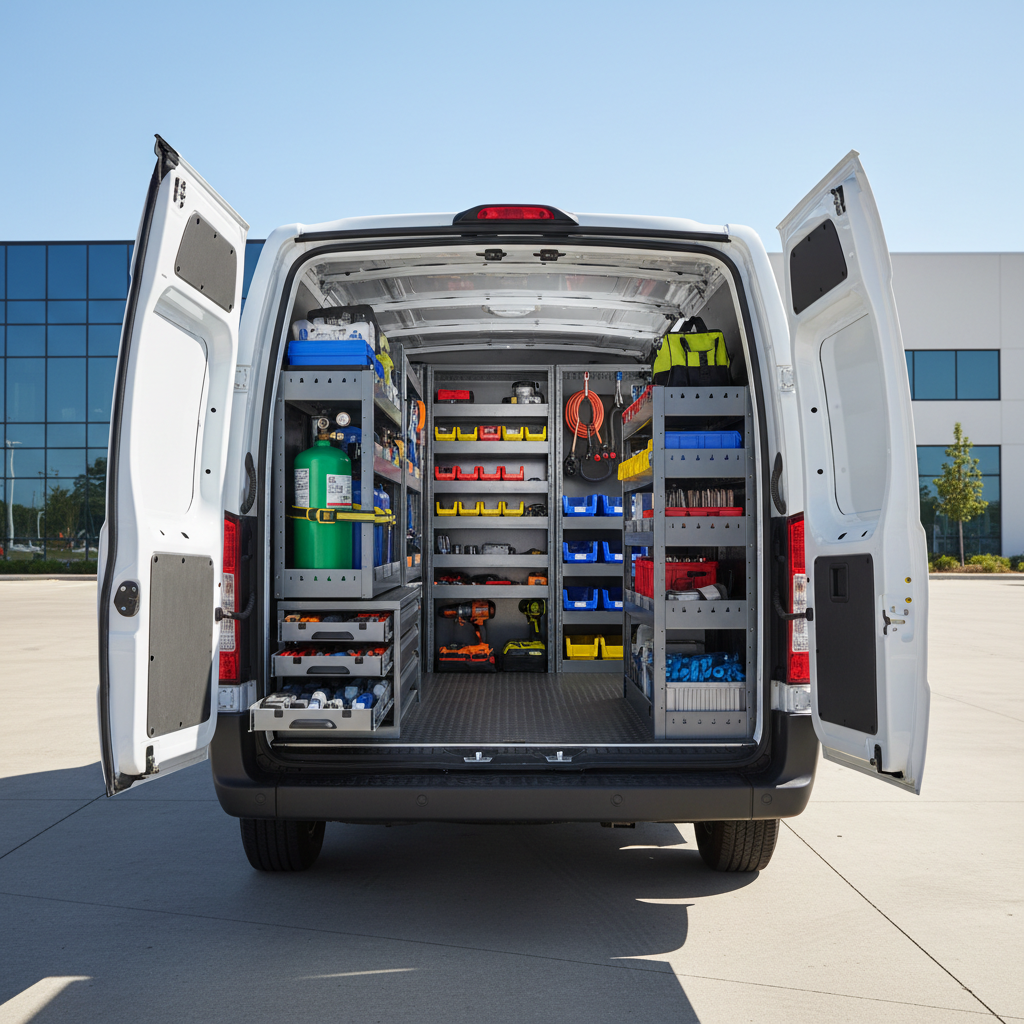
Emergency calls are dispatched with a confirmed arrival window. Our vans carry the parts that cause the majority of overnight failures, including capacitors, contactors, igniters, flame sensors, and common control components, so most emergency calls are resolved in a single visit rather than a diagnostic followed by a return trip for parts.
Pricing is quoted before dispatch and confirmed on site before work begins. A technician should never arrive and present an invoice for work you did not approve, and that standard does not change because it is two in the morning.
The calls we get most often
Winter emergencies are dominated by no-heat calls on gas furnaces: a failed igniter, a flame sensor that stopped proving flame, a pressure switch that will not close, or a condensate line frozen on a high-efficiency unit. Heat pumps add defrost failures and backup heat that will not stage in, which leaves a house running on a heat pump that cannot keep up.
Summer emergencies are usually no-cooling calls on the hottest days: failed capacitors, tripped breakers caused by a failing compressor, iced coils from restricted airflow, and condensate overflows. Water damage from a clogged drain in an attic air handler is one of the most expensive calls we see, and it is entirely preventable with a float switch and an annual drain clearing.
Electrical burning smells, scorched disconnects, and repeated breaker trips are the calls that most often indicate a component failure that could have been caught at a tune-up. None of them should be reset and forgotten.
Preventing the next emergency
Most emergencies we attend had a warning that was easy to miss. A capacitor that tested low in spring, a drain that was already partially clogged, a flame sensor that had been cleaned twice. A seasonal tune-up is the mechanism that catches those warnings while they are still inexpensive, and it is the reason maintenance pays for itself in avoided emergency visits.
The rest is small habits: filter changes on a realistic schedule, keeping the outdoor unit clear of leaves and vegetation, testing carbon monoxide detectors at the start of each heating season, and knowing where the service switch and breaker for the equipment are located.
If you have had more than one emergency call on the same system in a season, that pattern is worth a conversation about repair versus replacement rather than another after-hours visit.
Ready for a free estimate on 24/7 emergency hvac?
Get My Free Estimate24/7 Emergency HVAC across Northern Virginia
Fairfax Mechanical serves homeowners in Fairfax, Arlington, Alexandria, Ashburn, Manassas and the surrounding communities. Choose your city for local service details.
See all areas we serveGuides worth reading before you book
Frequently asked questions about 24/7 emergency hvac
Get a free estimate for 24/7 emergency hvac
Licensed Virginia HVAC contractor serving Fairfax and all of Northern Virginia. Call or request an estimate and we will confirm the next available appointment.
11325 Random Hills Rd #360, Fairfax, VA 22030