How to Choose a Licensed HVAC Contractor in Northern Virginia
Verify any Northern Virginia HVAC contractor in 60 seconds — DPOR license check, EPA 608 certification, whole-home sizing assessments, red flags, and a 10-point hiring checklist.
Expert HVAC guidance written by Fairfax Mechanical's licensed technicians — specific to Northern Virginia's climate, housing stock, and local building codes.

Verify any Northern Virginia HVAC contractor in 60 seconds — DPOR license check, EPA 608 certification, whole-home sizing assessments, red flags, and a 10-point hiring checklist.

Nine factors set the price of a new HVAC system in Northern Virginia — sizing, ducts, efficiency tier, the R-454B transition, permits, and timing. Read any quote like a receipt.

Your AC just died on a 95°F day. Run this first-hour playbook — safety checks, triage, and the dispatcher info that gets 24-hour AC repair to your Northern Virginia door faster.
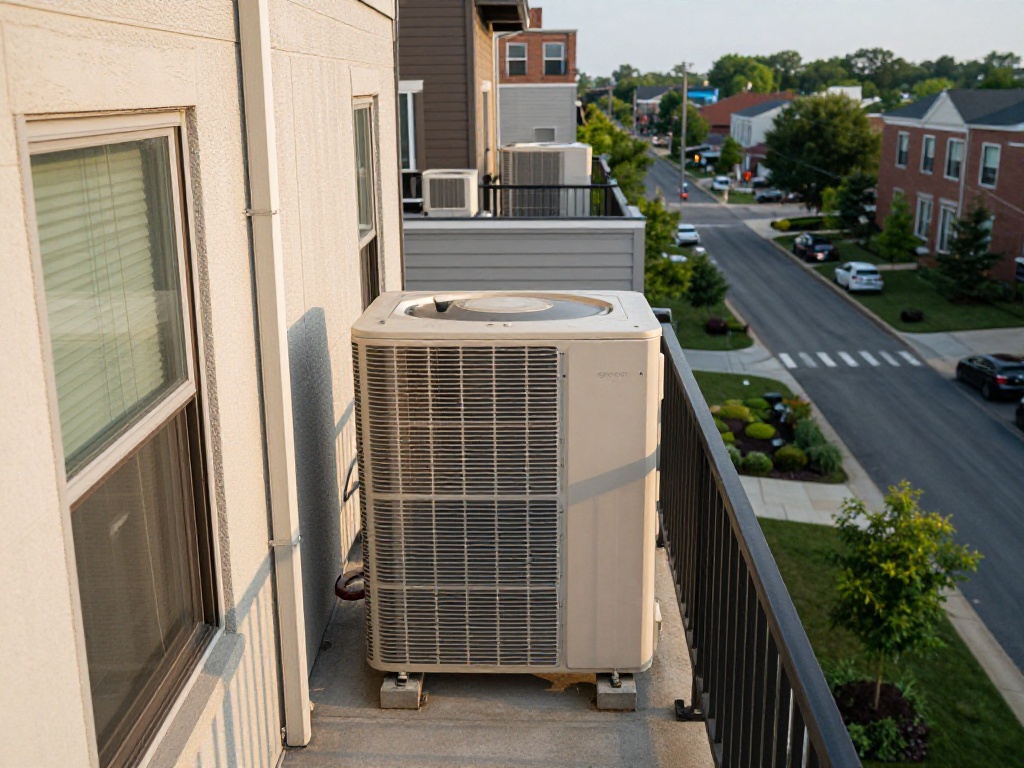
What air duct cleaning actually does, when it's genuinely worth scheduling in Northern Virginia, how it differs from duct sealing, and the red flags of teaser-offer scammers.

Decode every AC symptom: the 7 signs your air conditioner needs replacing in Northern Virginia, the 3 that only mean a repair, and the 24-month test that settles it.

The best HVAC brand in Northern Virginia is the one installed right — what actually differs between major manufacturers, how ratings work, and the install-first checklist that beats any logo.

Every July AC breakdown was visible in April. The Northern Virginia summer HVAC prep plan: tune-up timing, filters, condenser clearance, duct checks, settings, and the humidity piece.

The DC metro's air has three personalities — muggy summers, pollen waves, wildfire smoke days. The HVAC playbook for each: MERV 11–13 filtration, 45–55% humidity control, and smoke-day protocol.

Verify any Northern Virginia HVAC contractor in 60 seconds — DPOR license check, EPA 608 certification, whole-home sizing assessments, red flags, and a 10-point hiring checklist.

Repair or replace your HVAC? The 50% rule, repair-frequency math, R-410A reality, and the NoVA signals that it's replacement time — no scare tactics, from licensed local techs.

Which duct cleaning benefits are real? The EPA's actual position, the three triggers that justify cleaning, why leaky returns re-dust your home, and when sealing wins.

AC out on a 95° Northern Virginia night? The 10-minute triage checklist, true-emergency signs, and how licensed 24-hour repair works — from Fairfax Mechanical.

Another repair on aging equipment, or a replacement that resets the clock? The exact three-question framework Fairfax Mechanical technicians use on every diagnostic call — age limits, warning signs, R-410A refrigerant timing, and tax credits up to $2,000.

When to replace your AC in Northern Virginia: 10 warning signs, honest repair-vs-replace math, R-410A phase-down timing, and tax credits up to $2,000 — from Fairfax Mechanical.

Picking the lowest bid is how most people choose — and how they end up with an oversized system, a voided warranty, or a repeat repair. Here's what actually separates a great HVAC company from a risky one, and the exact questions to ask before you sign.

Heat pump or gas furnace for a Northern Virginia winter? Winter performance, the 35–40°F balance point, comfort, and federal credits up to $2,000 — compared.

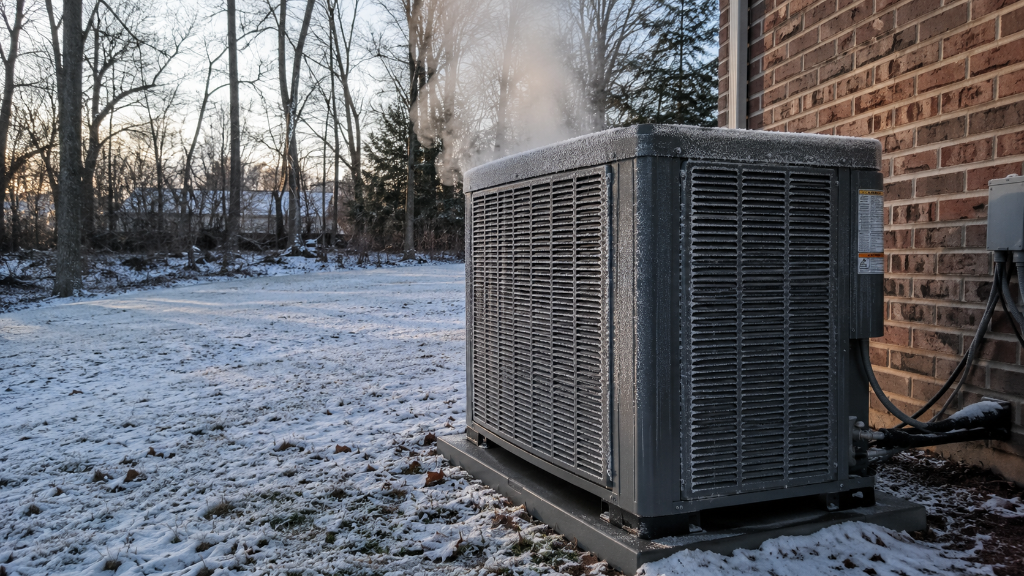
Steam pouring off the outdoor unit. Cool air from the vents. An "AUX HEAT" light you've never noticed. Before you panic — almost all of it is normal. Learn the defrost cycle, the difference between auxiliary and emergency heat, and the warning signs that really do mean call a pro.

Before you rely on your furnace this winter, check for carbon monoxide risks. Learn where CO comes from, the cracked-heat-exchanger danger, where to place detectors, furnace warning signs, and what to do if the alarm sounds.

Thinking about ditching gas or oil heat? Learn how home electrification works in Northern Virginia — cold-climate heat pumps, the dual-fuel bridge, electrical panel needs, the 25C tax credit up to $2,000, and outage backup.

Pets are harder on your HVAC than you think. Learn how often to change filters with pets, how hair damages the coil, how to protect the outdoor unit from dog urine, and the best thermostat settings when pets are home alone in Northern Virginia.

Fighting over the thermostat? There's no single 'right' temperature — comfort depends on humidity, air movement, and more. Learn the DOE baselines (68°F/78°F), the compromise playbook, and when zoning ends the war for good.

Before you leave on vacation, don't shut the AC off. Learn the right summer (82–85°F) and winter (55–60°F) away settings, why humidity control matters in Northern Virginia, and how to protect your home while traveling.

Ceiling fans cool people, not rooms. Learn how to use a fan to raise your thermostat ~4°F, which way blades should spin by season, and how fans work with your AC and heat pump in Northern Virginia.

Is it cheaper to hold one temperature all day, or turn the thermostat down when you're away? The myth debunked with the physics, roughly how much you save, the right setback size — and the critical heat pump exception every Northern Virginia homeowner should know before deep setbacks quietly run up an electric bill.

Warm afternoons, cold mornings — Northern Virginia's fall shoulder season abuses HVAC systems. Here's when to switch from AC to heat, why you shouldn't run the AC below ~60°F, what to check before your first heat run, how heat pumps change over automatically, and how to avoid a first-cold-morning breakdown.

Cold but clammy at 72°? In a Northern Virginia summer the real enemy is humidity, not temperature — and lowering the thermostat won't fix it. Here's what your AC actually does to moisture, why an oversized system makes it worse, and how to get your indoor humidity back to a comfortable 45-55%.

A hot upstairs and high bills often start above your head. A Northern Virginia attic can hit 130-150°F in summer, and poor insulation or ventilation makes even a perfect HVAC system fight a losing battle. Here's the attic-HVAC connection — and why insulation is often a smarter first investment than a bigger AC.

Your thermostat is a sensor — and a badly placed sensor makes a healthy HVAC system feel broken. Here's where thermostats go wrong (sun, vents, kitchens, exterior walls), the ideal location, how to tell yours is misplaced, and how to fix it, for Northern Virginia homes.

An AC that never shuts off isn't always broken — on a hot Northern Virginia day, long runtimes can be normal. Here's how to tell normal from a real fault, the DIY checks to run first, the causes that need a pro, and why constant running costs you even when the house is cooling.

If some rooms are always too hot or too cold, the problem is usually distribution, not capacity. Here's what an HVAC zoning system is, how it works, whether your Northern Virginia home is a candidate, how it compares to mini-splits, and who doesn't need one.

The outdoor condenser does the hardest job in your AC — and it's the most neglected, yet most homeowner-serviceable, part. Here's the safe DIY maintenance, the truth about hosing it off and winter covers, what needs a pro, and the warning signs — for Northern Virginia homeowners.

Furnace maintenance isn't just about efficiency — it's a combustion-safety issue. Here's the honest fall furnace checklist for Northern Virginia homeowners: what you can do yourself, what a professional tune-up actually includes, the carbon monoxide facts, and the warning signs that need attention.

Winter dry air isn't just scratchy throats — it damages hardwood and furniture, worsens static and respiratory irritation, and makes you feel colder (raising heating bills). Here's the honest case for a whole-home humidifier in Northern Virginia, the three types compared, and when you don't need one.

Your AC clicking on and off every few minutes isn't 'working hard' — it's short cycling, and it wears out expensive parts while cooling and dehumidifying worse. Here's what causes short cycling in Northern Virginia, what you can check yourself, and when to call a pro.

A new HVAC system rarely pays for itself in sale price — but that's the wrong way to think about it. Here's how HVAC actually affects a Northern Virginia home sale: inspection findings, buyer concessions, and days on market — plus an honest replace-repair-or-disclose framework.

Ice on your AC in the middle of a Northern Virginia summer? A frozen evaporator coil is almost always an airflow problem — not a 'low on freon' problem. Here's what causes it, why you must turn the system off now, and how to tell a DIY fix from a professional repair.

Someone told you your AC's refrigerant is being phased out — here's the honest version. What the R-454B transition actually means for R-22 and R-410A owners in Northern Virginia, what A2L refrigerant is, and how to know if 'you must replace' is real advice or a scare tactic.

Thinking about a ductless mini split in Northern Virginia? Fairfax Mechanical's complete guide covers use cases, installation requirements, SEER2 ratings, the $2,000 federal tax credit, Dominion Energy rebates, and single vs multi-zone decisions.

ENERGY STAR estimates 20–30% of conditioned air is lost through leaky ducts — yet duct cleaning gets all the marketing. An honest guide for Northern Virginia homeowners on duct sealing vs. duct cleaning: what the EPA actually says, when each is justified, and how to tell if your ducts leak.

Why does your heat pump blow cool air in January? Why is your electric bill so high? A plain-English guide to heat pump winter operation for Northern Virginia homeowners — balance points, backup heat, defrost cycles, AUX vs. EMERGENCY heat, and pre-winter prep.

AC completely stopped in Northern Virginia? Before calling for emergency HVAC service, check these 5 things in the next 10 minutes — one of them may get your system running again. Fairfax Mechanical same-day emergency service across Fairfax, Reston, and Herndon.

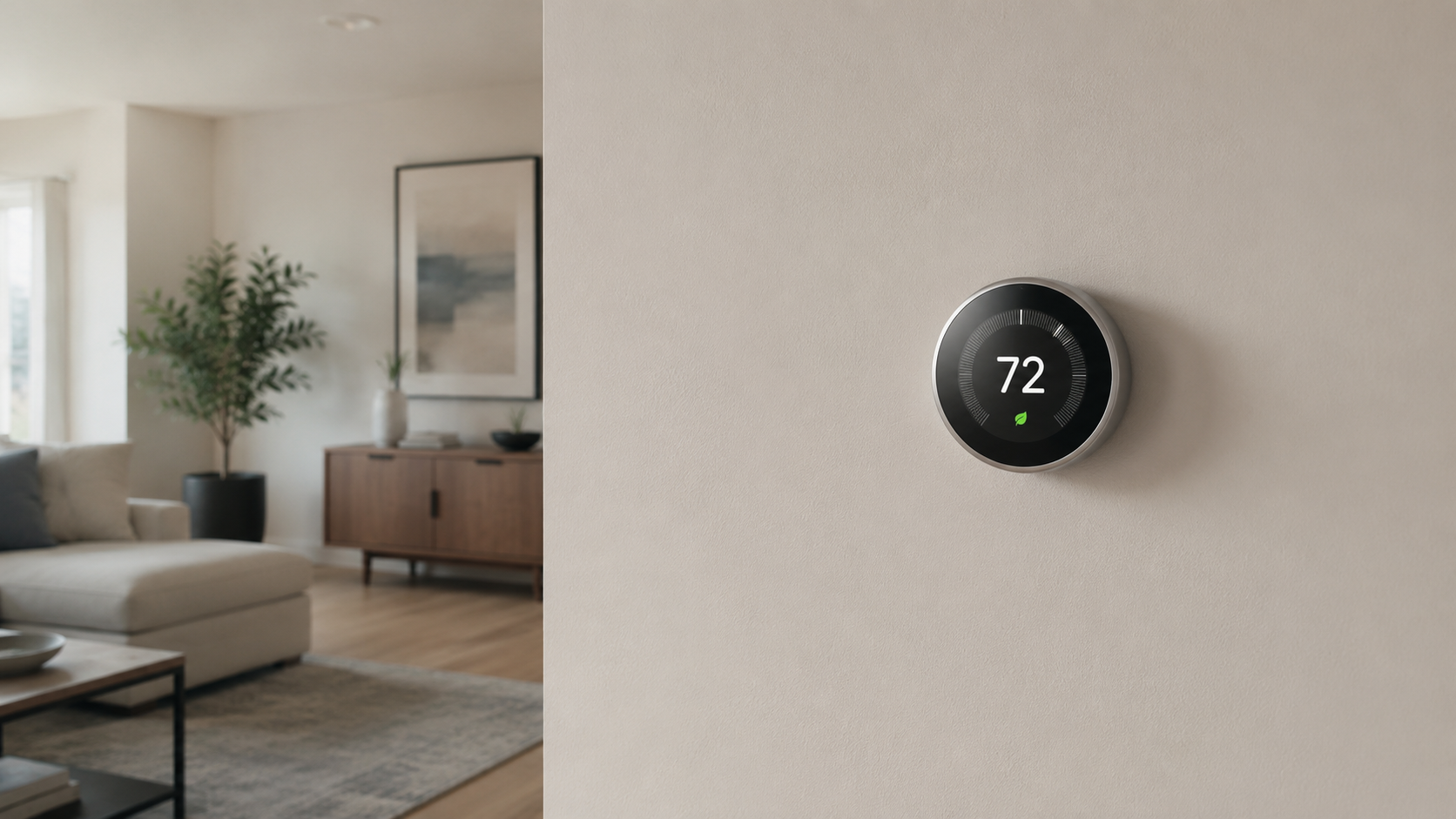
Smart thermostat guide for Northern Virginia homeowners — Nest vs Ecobee vs Honeywell, the Dominion Rush Hour Rewards program, heat pump compatibility, C-wire requirements, and professional installation across Fairfax, Reston, and Herndon.

Your HVAC system controls your indoor air quality more than any purifier you can buy — but it can also make it worse. Fairfax Mechanical's guide covers MERV ratings, humidity, pollen season, and what Northern Virginia homeowners should actually do about IAQ.

Too big or too small — both cause comfort problems in Northern Virginia. Fairfax Mechanical explains HVAC sizing and the signs your current system is the wrong size for Fairfax, Reston, Herndon, and McLean homes.

What's actually in an HVAC tune-up — and is it worth it in Northern Virginia? Fairfax Mechanical breaks down every step, what it prevents, the Dominion Energy rebate, and the best timing for Fairfax, Reston, Herndon, and McLean homeowners.

SEER and SEER2 explained for Northern Virginia homeowners — including the federal minimum, tax credit thresholds, Dominion Energy rebate levels, and what SEER2 rating makes sense for Fairfax, Reston, Herndon, and McLean.

Clicking, grinding, squealing, buzzing — what does your AC sound mean? Fairfax Mechanical's sound-to-cause guide for Fairfax, Reston, Herndon, and McLean homeowners.

Should you repair or replace your AC in Northern Virginia? Fairfax Mechanical breaks down the $5,000 Rule, refrigerant type factors, and 2026 incentives for Fairfax, Reston, Herndon, and McLean homeowners.

AC running but not cooling in Fairfax, VA? Discover the 7 most common causes — ranked from easy DIY fixes to urgent pro repairs — with Northern Virginia-specific advice from Fairfax Mechanical.
Have questions about HVAC in Northern Virginia? Contact Fairfax Mechanical or browse our complete list of services.
Free estimate for any HVAC service in Northern Virginia.
Available 24/7
Chat with us anytime!

Fairfax Mechanical
Available 24/7 — Chat anytime